







Bob Rapoport
Music Reviewer
Thread Starter
- Joined
- Jan 29, 2018
- Posts
- 168
More
- Preamp, Processor or Receiver
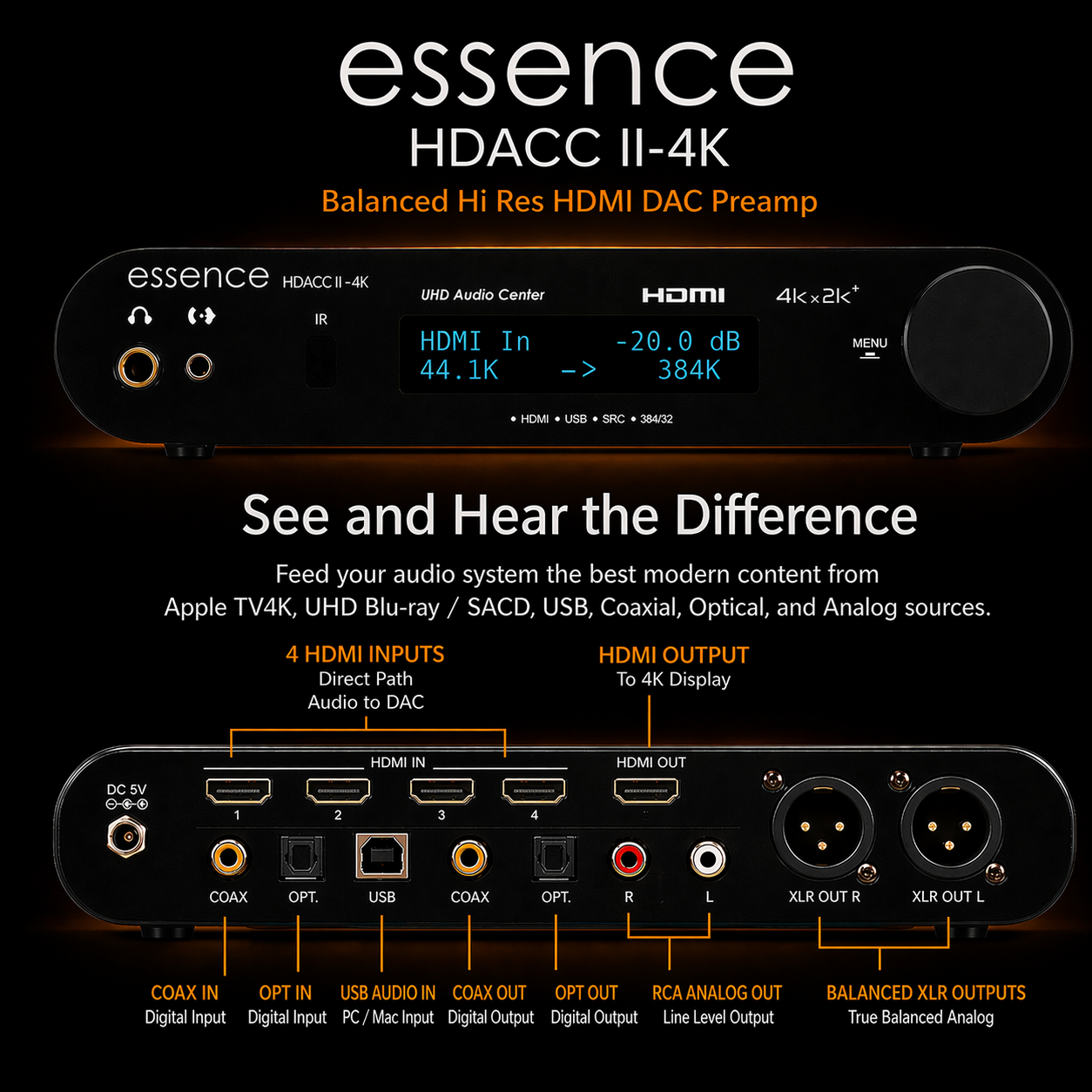
- Essence HDACC II-4K
- Main Amp
- Essence DPA-440
- Universal / Blu-ray / CD Player
- Sony 4K
- Front Speakers
- Essence Electrostats
- Center Channel Speaker
- Essence
- Surround Speakers
- Essence
- Subwoofers
- Essence
- Screen
- Screen Goo painted screen, 4 coats
- Video Display Device
- Vizio M70
- Remote Control
- Essence
Two weeks ago, I asked a simple question:
How Do You Watch TV?
I created the survey because of my own experience watching movies and streaming television. I found myself constantly adjusting the volume — turning it up to hear dialogue, then quickly turning it back down when the music or sound effects became too loud.
I wanted to know if other people were experiencing the same thing.
You are.
Here’s what the first 49 responses told us:
90% say they adjust the volume occasionally, frequently, or constantly while watching movies or streaming TV.
69% say dialogue that is too soft contributes to those volume changes.
69% find quiet or softly spoken dialogue difficult to follow.
61% spend 60% or more of their audio-system time watching movies, streaming TV or YouTube rather than listening to music.
90% say clearer dialogue and independent control over their personal listening level would be useful.
67% had never thought of frequent volume-riding as a problem that might actually have a solution.
83% said Yes or Maybe when asked if they would like to learn more about a personal TV audio system designed to address these issues.
Those numbers confirmed something I had begun to suspect from my own experience:
The way we watch television has changed, but the way we listen to it hasn’t changed nearly as much.
If you haven’t taken the survey yet, we’d love to hear how you actually watch TV—add your voice to the conversation and help us keep building a clearer picture of how people are listening today.
Below is the complete survey chart so you can see the results for yourself.

Recent episodes of Dark Matter, Lioness, MobLand, and Slow Horses are perfect examples of why this matters: complex soundtracks, quiet dialogue including Irish and British accents, and dramatic effects can make conventional TV listening a constant volume-adjustment exercise.
That's what led me to look for a better way to listen — one that could make dialogue easier to understand, provide independent volume control, and still preserve the music, effects and spatial information that bring the production to life.
The result is the Earis Premium Personal TV Audio System.
If any of the survey results sound familiar, take a closer look at what Earis Premium was designed to do.
Thanks to everyone who participated. Your responses are helping turn a personal observation into a much larger conversation.

How Do You Watch TV?
I created the survey because of my own experience watching movies and streaming television. I found myself constantly adjusting the volume — turning it up to hear dialogue, then quickly turning it back down when the music or sound effects became too loud.
I wanted to know if other people were experiencing the same thing.
You are.
Here’s what the first 49 responses told us:
90% say they adjust the volume occasionally, frequently, or constantly while watching movies or streaming TV.
69% say dialogue that is too soft contributes to those volume changes.
69% find quiet or softly spoken dialogue difficult to follow.
61% spend 60% or more of their audio-system time watching movies, streaming TV or YouTube rather than listening to music.
90% say clearer dialogue and independent control over their personal listening level would be useful.
67% had never thought of frequent volume-riding as a problem that might actually have a solution.
83% said Yes or Maybe when asked if they would like to learn more about a personal TV audio system designed to address these issues.
Those numbers confirmed something I had begun to suspect from my own experience:
The way we watch television has changed, but the way we listen to it hasn’t changed nearly as much.
If you haven’t taken the survey yet, we’d love to hear how you actually watch TV—add your voice to the conversation and help us keep building a clearer picture of how people are listening today.
Below is the complete survey chart so you can see the results for yourself.
Recent episodes of Dark Matter, Lioness, MobLand, and Slow Horses are perfect examples of why this matters: complex soundtracks, quiet dialogue including Irish and British accents, and dramatic effects can make conventional TV listening a constant volume-adjustment exercise.
That's what led me to look for a better way to listen — one that could make dialogue easier to understand, provide independent volume control, and still preserve the music, effects and spatial information that bring the production to life.
The result is the Earis Premium Personal TV Audio System.
If any of the survey results sound familiar, take a closer look at what Earis Premium was designed to do.
Thanks to everyone who participated. Your responses are helping turn a personal observation into a much larger conversation.